
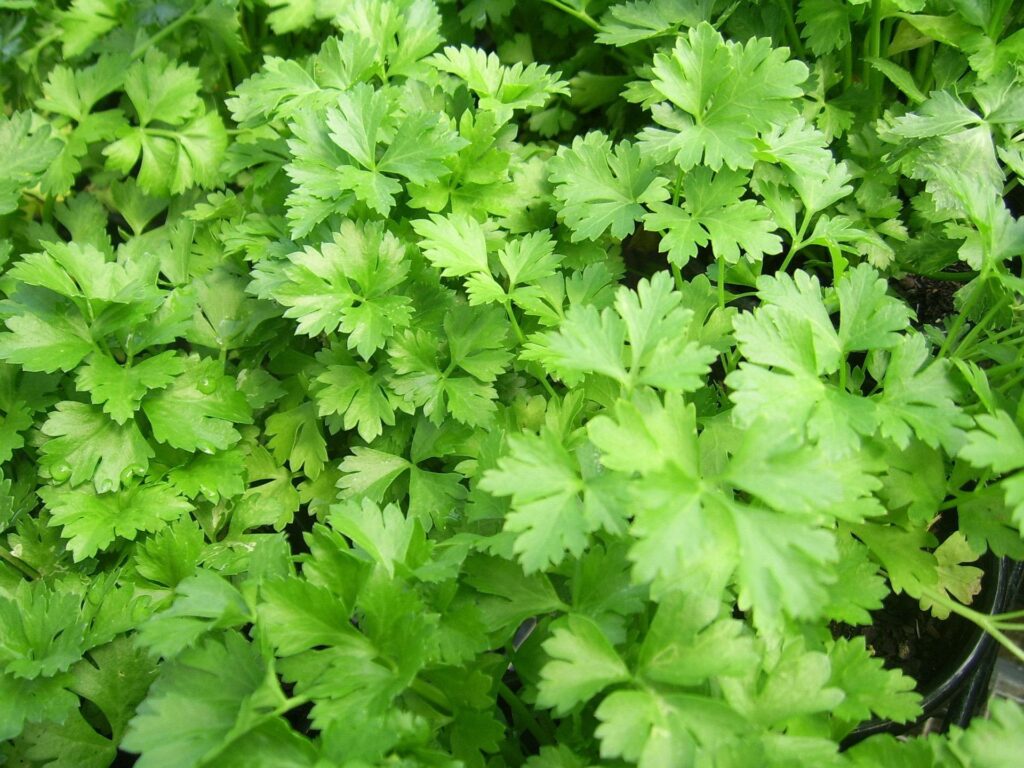
Leafy plants are among the most nutrient dense foods available to us. Indeed, leafy greens and herbs are nutritional powerhouses that are loaded with vitamins, minerals, fiber, and antioxidants that enhance our bodies in countless ways. One leafy herb, parsley, has been known for its medicinal properties way before it was ever used in cooking. Hippocrates, the Father of Western Medicine, used parsley for treating kidney disorders and urinary infections, wound care, and sore throats.
Parsley is known in modern medicine as a natural diuretic that supports kidney function. It also contains powerful antioxidants that reduce inflammation throughout the body. Parsley is rich in Vitamin K, which supports bone mineral density. Moreover, chewing fresh parsley can neutralize odors to freshen breath, while its natural compounds can soothe gastrointestinal bloating.
Parsley is used often in European, American and Middle Eastern cooking. It is best used fresh but dried parsley can also be used. The substantial health benefits make it a great herb to daily add to any dish such as soups, salads, dressings, sauces, juices, and smoothies.
Here is a pesto recipe using lots of parsley from the book, Healing Herbs & Spices, by Lee Anne Dobbins
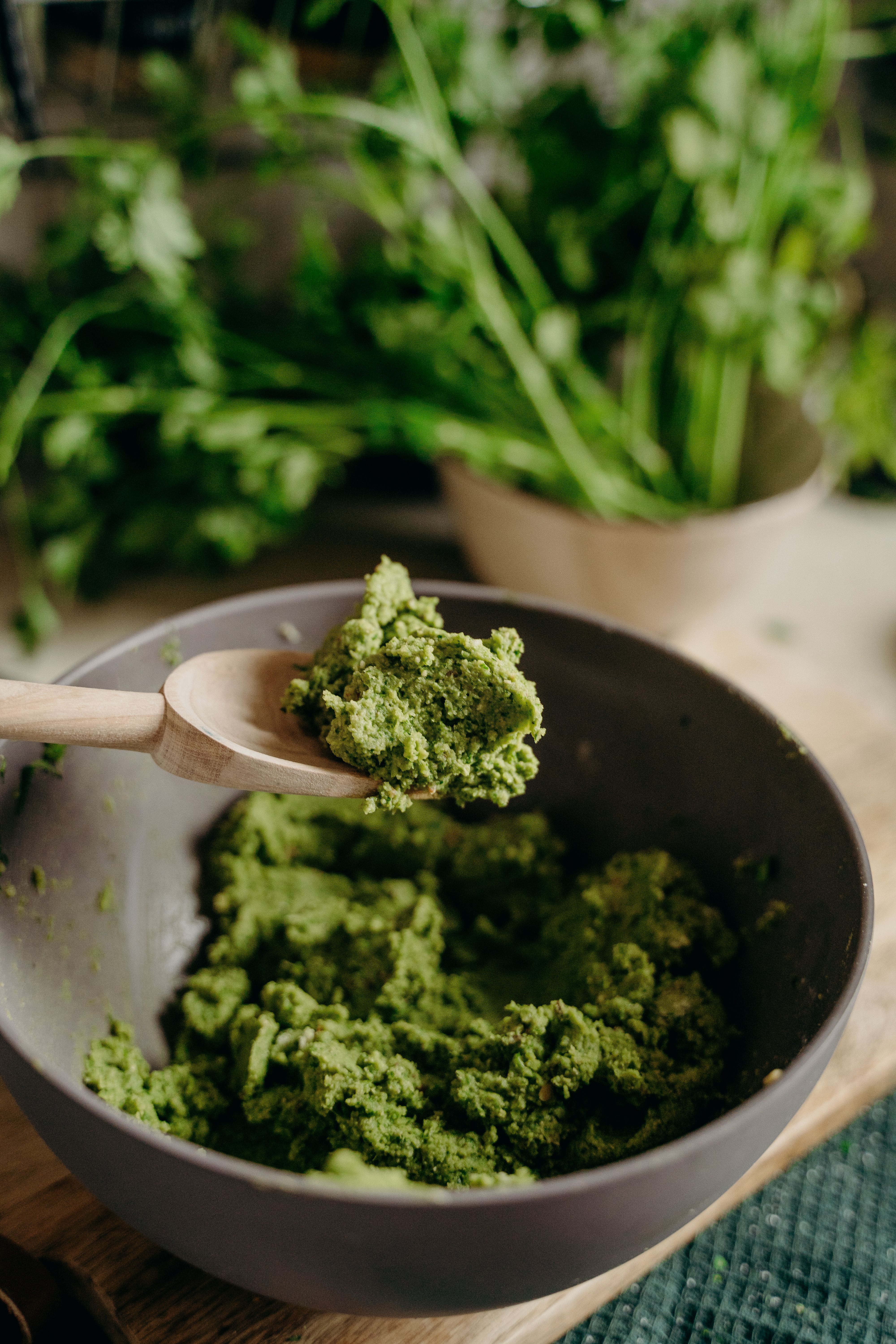
Parsley Pesto
2 cups flat leaf parsley
1 teaspoon extra virgin olive oil
2 tablespoons pine nuts, toasted
1½ tablespoons Parmigiano-Reggiano cheese grated (or substitute cheese with nutritional yeast)
¼ teaspoon salt
Combine ingredients in food processor until smooth. Use over pasta, whole grains such as rice, or potatoes.