CHW Solutions

Food as Medicine Topic: Chili Peppers

Chili peppers are a huge family of peppers enjoyed throughout the world. There are hundreds, if not thousands, of chili pepper varieties used to add fiery flavor to foods. Wild chili peppers were gathered in Mexico thousands of years ago, brought into India and Southeast Asia, and eventually found their way to Europe by the mid-16th century.
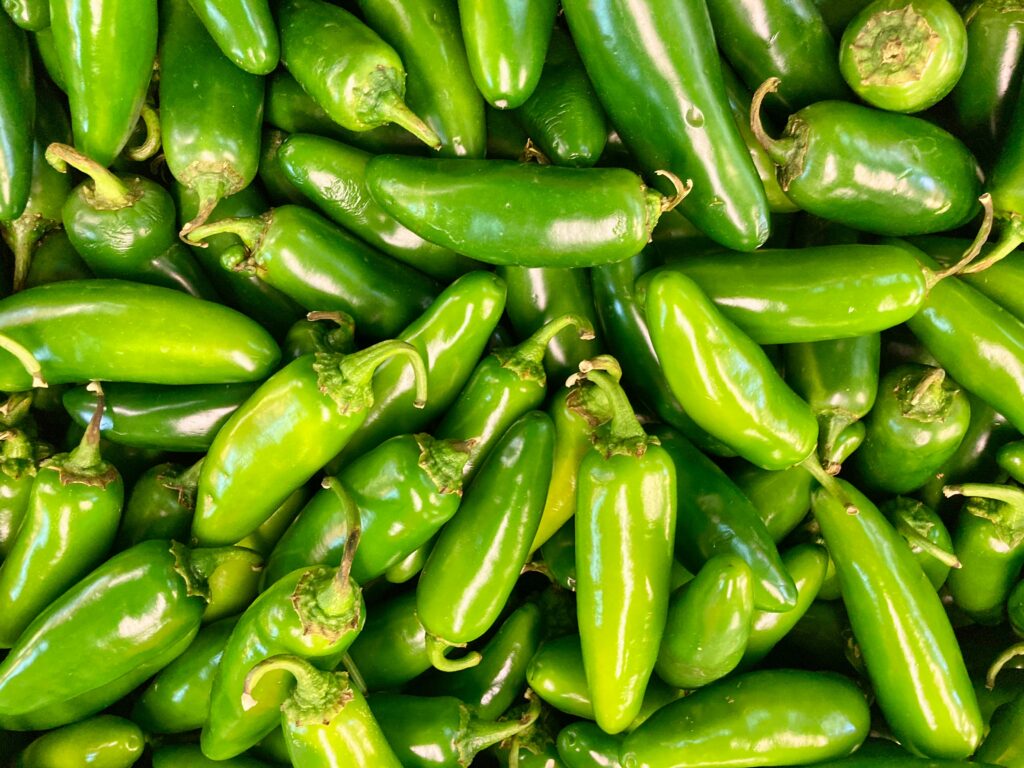
Chili peppers get their heat from capsaicin; an alkaloid found mainly in the spongy white tissue to which the seeds cling. Individual chiles from the same plant can vary greatly in their “hotness quotient.” This is the U.S. measurement of heat spice of each chili pepper and is called the Scoville scale. The general rule is, the smaller the chili pepper, the hotter it will be. Each type has subtle flavors in addition to its heat. Jalapenos are the most common hot chili pepper in the U.S. Most fresh jalapenos are sold green, though occasionally red ripe ones may be found. When smoke-dried, red jalapenos are called “chipotles.” The Carolina Reaper currently holds the title for the hottest chili pepper in the world, according to the Guinness World Records. These peppers are often used in hot sauces and culinary dishes, but caution is advised due to their extreme heat.

Chili peppers have long been used for their many medicinal properties. The capsaicin found in peppers has been shown to inhibit a hormone that is involved in inflammation. Eating spicy chili peppers and chili spices can help reduce accumulated mucus in the sinuses, and the pain associated with inflammatory arthritis and diabetic neuropathy. Recent studies have shown capsaicin has heart health benefits like reducing cholesterol in the blood as well as lowering triglyceride levels. It can also reduce platelet aggregation, thus, reducing blood clotting. Indeed, it has been shown that cultures that eat a lot of chili peppers have a low rate of cardiovascular disease.   

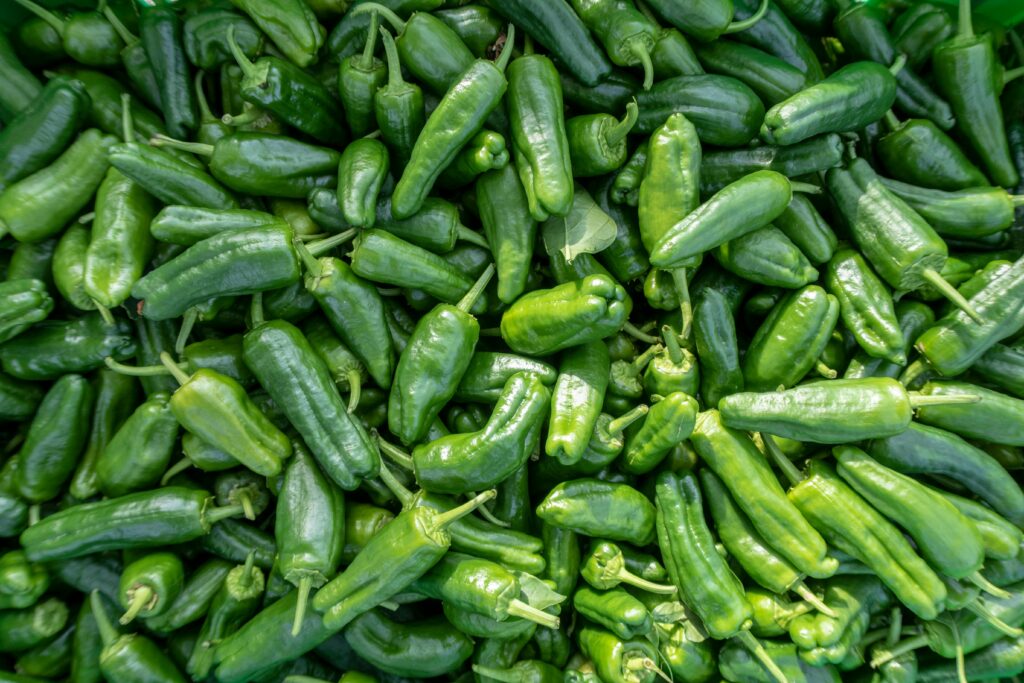
There are countless recipes that include chili peppers. Here is a recipe for a simple version of a dish called “rajas.” Rajas means “strips” or “slices” in Spanish. In the culinary sense, it refers to a dish of sliced poblano chiles and onions with sour cream. In this recipe, chef Ramses Bravo in his cookbook Bravo Express, creates a healthier version of rajas and blends spicy, sweet, and sour flavors to enhance the chiles.

Rajas

4 cups julienned poblano chiles

4 cups julienned red onions

2 cups cherry tomatoes, cut in half

Juice of 2 limes

½ cup chopped fresh cilantro, lightly packed
Farm Peppers
  1. Dry sauté the chiles and onions in a large pot over medium-high heat, stirring occasionally, until they begin to brown.
  2. Add the tomatoes, lime juice, and cilantro and cook, stirring constantly, for 20 seconds.
  3. Serve hot over your favorite whole grains and starches such as rice, potatoes, or quinoa. Also, add to your favorite dishes like salads, tacos and burrito bowls.

Share the Post:

Related Posts

Food as Medicine Topic: Mushrooms

Mushrooms are widely known for their amazing health benefits. For centuries, mushrooms have been used as immune boosters, antibacterial agents, and to decrease inflammation and fatigue. While not a real vegetable, mushrooms are a type of fungus that contain a

Read More

Food as Medicine Topic: Apples

Does an apple a day really keep the doctor away?  Apples are a potent, nutrient-dense “healing” food loaded with antioxidants, fiber, and phytochemicals that support overall health, reduce inflammation, and lower the risk of chronic diseases. Consuming them regularly helps

Read More

Food as Medicine Topic: Fruits

The medicinal properties of fruit are indisputable. Fruit contains powerful antioxidants that can protect against heart disease, stroke, some cancers, and many other conditions too numerous to mention. Interestingly, whole fruit does not spike blood sugars in the same way

Read More
Renee Colored Image

HEALTH COACH TRAINER

Renee Gust

Renee Gust (she/her), M.A., R.N., is a health promotion specialist who has been providing health coaching training to medical staff for over 15 years. In addition, Renee has over 25 years of experience in working in hospitals and clinics as a staff nurse providing acute and chronic medical care for a diverse population.
Renee Colored Image

HEALTH COACH TRAINER

Renee Gust

Renee Gust (she/her), M.A., R.N., is a health promotion specialist who has been providing health coaching training to medical staff for over 15 years. In addition, Renee has over 25 years of experience in working in hospitals and clinics as a staff nurse providing acute and chronic medical care for a diverse population.

Check out the March 2023 Journal of General Internal Medicine supplement featuring a case study of CHW Solutions. 

Megan E colored bio image

CO - FOUNDER

Megan Ellingson (CHW, MHA)

Megan E.’s (she/her) expertise is in collaborative planning and implementation to address health issues requiring both clinic and community approaches. Megan’s professional experience includes serving as a Health Policy and Program Coordinator at the Minneapolis Health Department, and as a Department Manager in women’s services and pastoral care at Intermountain Healthcare. Her direct patient care experience includes serving as a Patient Advocate at MayView Community Health Center, as a Care Guide in late-life supportive care at Allina Health, and as a hospice volunteer with her therapy cat, Sweet Pea, at HealthPartners. Megan has a Bachelor’s Degree in Human Biology and Medical Anthropology from Stanford University, and a Master’s Degree in Healthcare Administration and Financial Management from the University of North Carolina, Chapel Hill. She also obtained her Minnesota CHW certificate from Northwest Technical College in 2018. Megan currently teaches the Minnesota CHW Certificate courses as an online instructor at St. Mary’s University in Minnesota.

Megan E colored bio image

CO - FOUNDER

Megan Ellingson (CHW, MHA)

Megan E.’s (she/her) expertise is in collaborative planning and implementation to address health issues requiring both clinic and community approaches. Megan’s professional experience includes serving as a Health Policy and Program Coordinator at the Minneapolis Health Department, and as a Department Manager in women’s services and pastoral care at Intermountain Healthcare. Her direct patient care experience includes serving as a Patient Advocate at MayView Community Health Center, as a Care Guide in late-life supportive care at Allina Health, and as a hospice volunteer with her therapy cat, Sweet Pea, at HealthPartners. Megan has a Bachelor’s Degree in Human Biology and Medical Anthropology from Stanford University, and a Master’s Degree in Healthcare Administration and Financial Management from the University of North Carolina, Chapel Hill. She also obtained her Minnesota CHW certificate in August, 2018. Megan currently teaches the Minnesota CHW Certificate courses as an online instructor at St. Mary’s University in Minnesota.